 Saint-PetersburgRentgena st., 5A
 Round-the-clock


 Saint-Petersburg, Rentgena st., 5A
C-Stand Bases - Article
Get back to News and Events

C-Stand Bases: 3 Types & Setup Rules
Let’s break down the different types of C-stand bases and how to use them correctly.
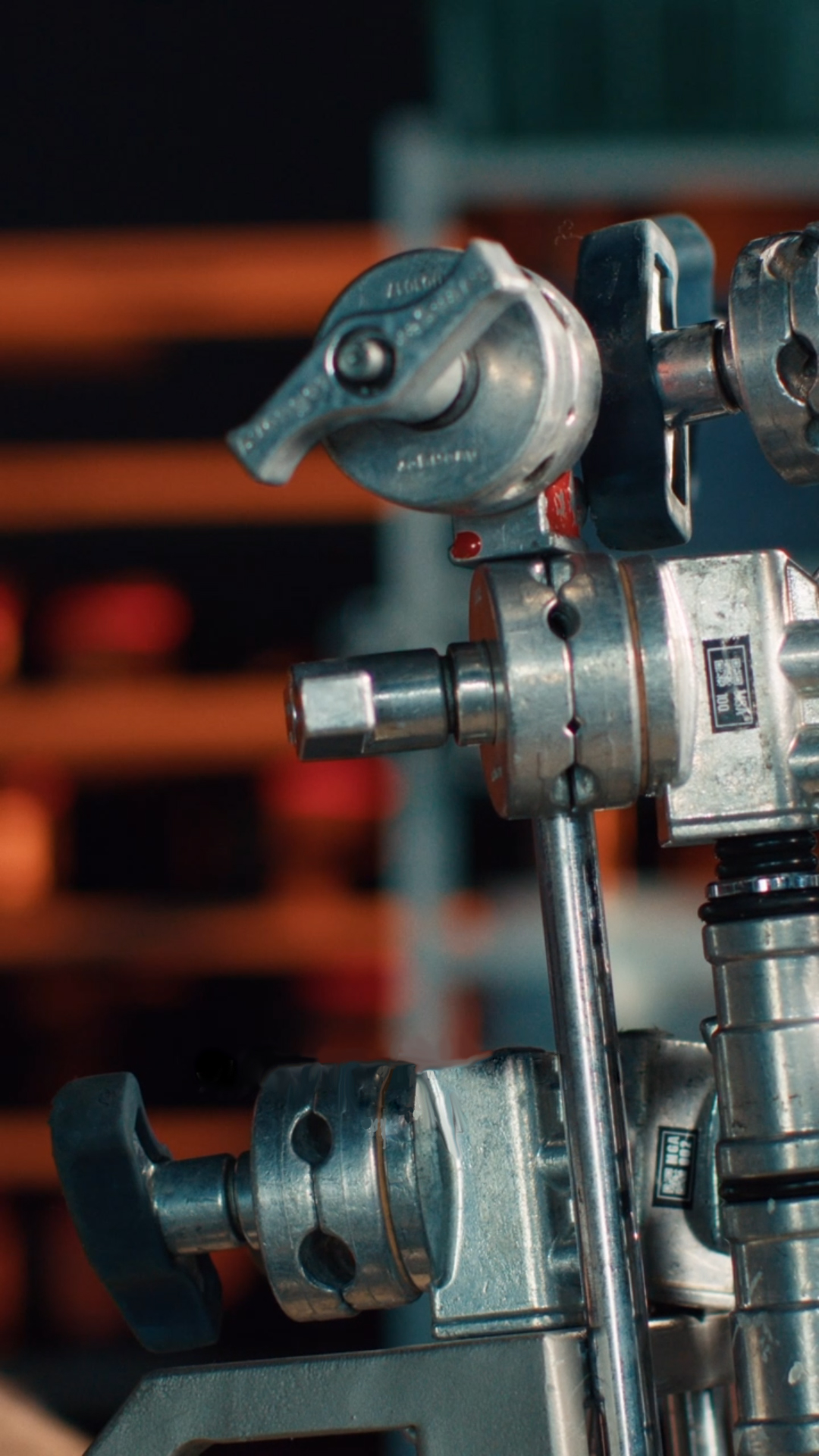
Choosing the Right C-Stand Base
C-stands are essential for mounting lights, flags, and softboxes. But without a stable base, even the most reliable stand becomes a hazard. Manufacturers offer several solutions, from classic "turtle bases" to professional adjustable systems.
Types of Bases:
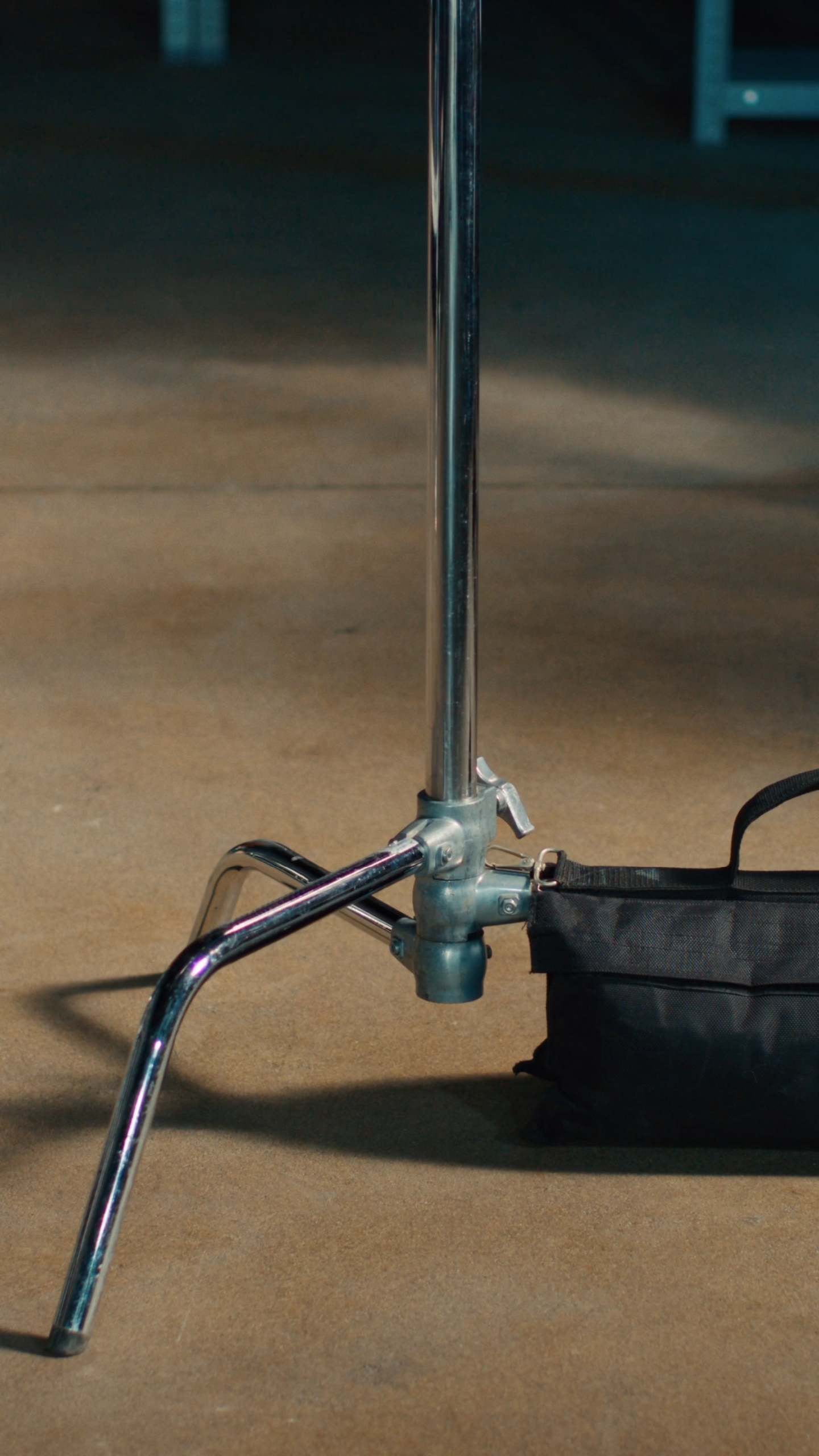 Standard Base
A simple option with no additional features. Suitable for studios and locations with flat, even floors.
Important: Do not use on uneven surfaces, as the C-stand must remain perfectly vertical.
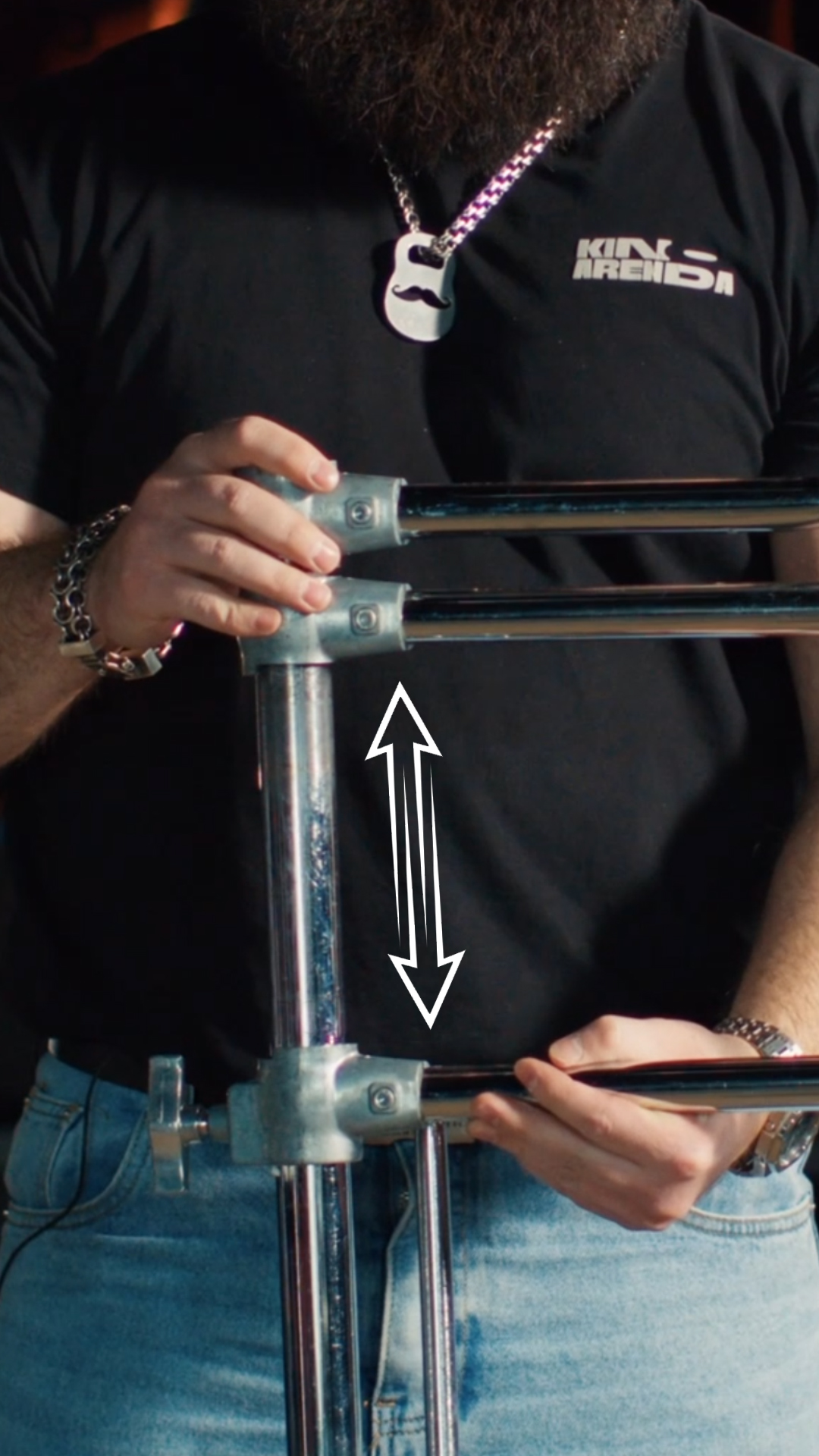
Levelling Leg Base
Features a movable top leg that can be adjusted vertically along its axis.
Advantages: Compensates for uneven floors and allows setup on stairs or sloped surfaces.
Example: To place the stand on a staircase, raise the levelling leg onto the step – the stand will self-level.
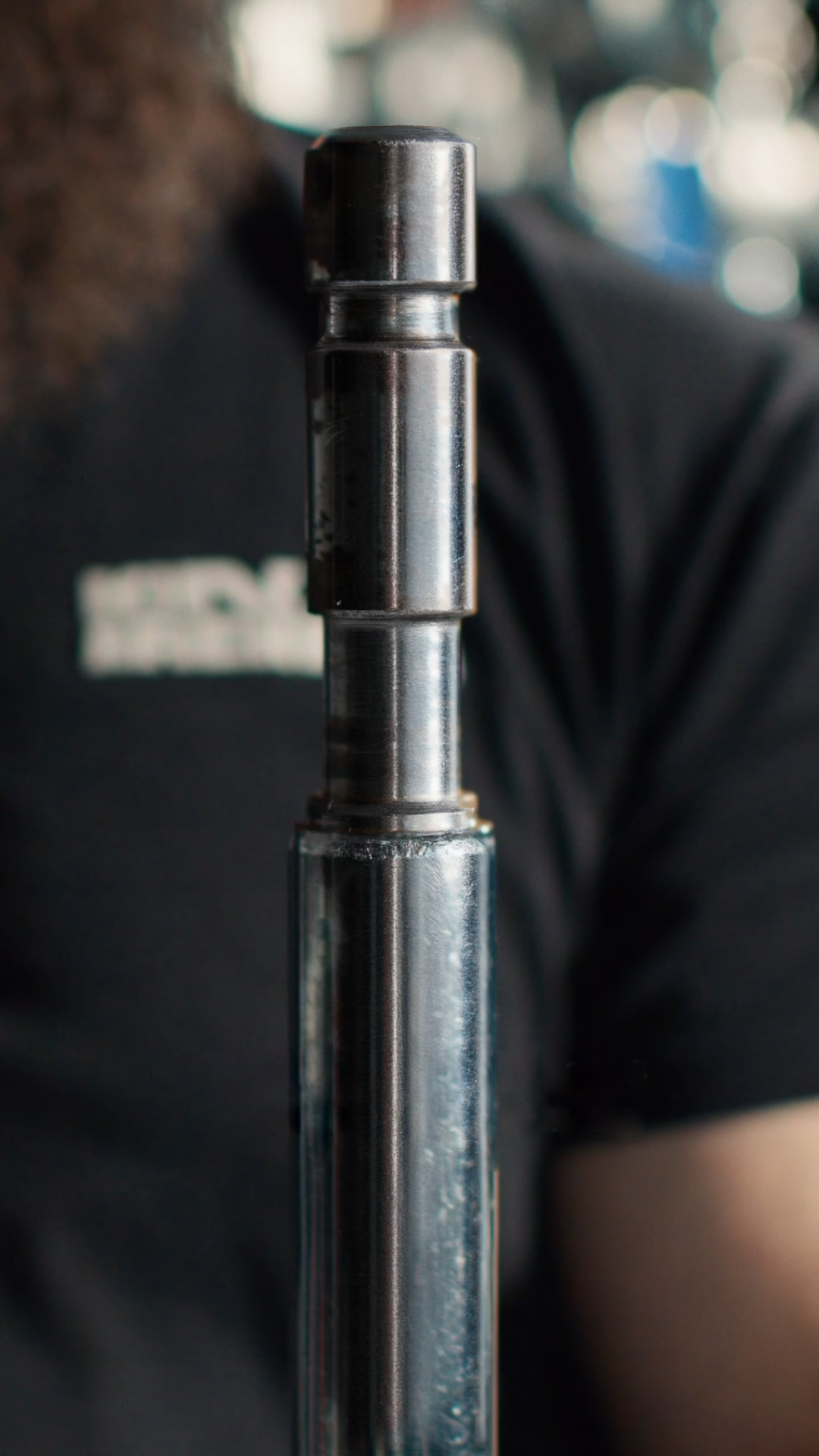
Detachable Base
Allows you to separate the column from the legs.
• The base of the column features a 28mm spigot (pin);
• Can be mounted in a C-clamp and attached to a truss;
• The base can be used independently to mount a fixture directly.
Bonus: Kupo-style systems fold and unfold in one quick motion – ideal for frequent location shoots.
Quick Guide: How to Properly Set Up a C-Stand
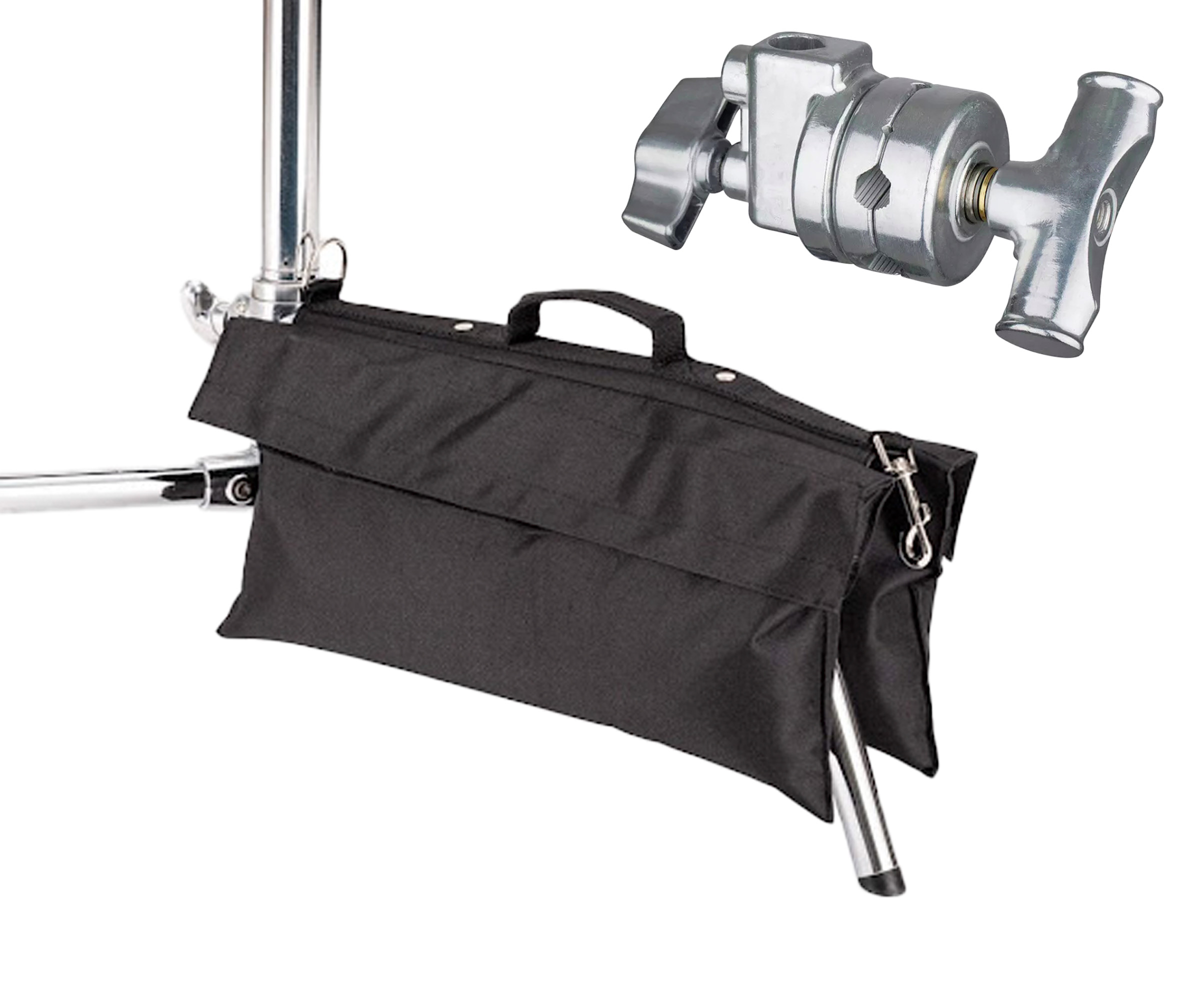
sandbag and grip head
Attach a sandbag to the base on the side opposite to the boom/grip head – also great for storing cables and small items.
Mount the grip head and tighten it in the direction of the fixture – this prevents the equipment from falling under its own weight.
Fit greenbeds / leg protectors over the feet to protect the floor and reduce injury risk.
Orient the long leg in the required direction – toward the boom (if extending a load) or in line with the light beam for maximum stability.
Which Base Should You Choose?

Standard Base — for studio work on flat floors. Cost-effective and reliable.
Rocker / Levelling Leg Base — for uneven surfaces, stairs, and outdoor shoots.
Removable Base — for complex setups: truss mounting, multi-level rigs, and location shoots (especially Kupo-style systems).
Bottom Line: choosing the right base and following proper setup procedures will ensure stability and safety on your set.
